



BY PETER SAYN-WITTGENSTEIN
There’s a hidden tax that most brands pay.
It doesn’t show up on a media plan. It isn’t listed on a production estimate. Your CFO won’t find it on a balance sheet.
But it’s quietly draining your marketing budget every single day.
It’s called ordinary.
Every time a brand launches a campaign that’s predictable, interchangeable, or forgettable, they aren’t just missing an opportunity—they’re reducing the return on every dollar they spend to get it in front of people.

The Most Expensive Ad Is the One Nobody Remembers
Marketing leaders spend countless hours optimizing performance. Audience targeting. Attribution. Frequency. Conversion paths. Media mix.
Those things matter. But none of them can solve the biggest problem of all:
People don’t remember ordinary.
Consumers are exposed to thousands of brand messages every day. Most disappear almost instantly because they don’t challenge expectations, spark emotion, or create curiosity.
The impression was served. The opportunity was lost.
And that’s not just opinion. Research from the Ehrenberg-Bass Institute and Kantar has consistently shown that distinctive brand assets strengthen memory structures and increase mental availability, making brands easier to recognize and choose when making purchase decisions.

You Bought the Impression. You Didn’t Build the Brand.
Imagine two companies each spending $3 million on media:
Brand A runs competent, category-safe advertising.
Brand B launches work that’s unmistakably theirs—something people recognize, talk about, and remember.
Both brands purchased the same number of impressions. Only one created future value.
Months later, Brand B enjoys higher awareness, stronger recall, lower acquisition costs, and greater pricing power because consumers already know who they are.
Brand A starts over from scratch with every campaign.
That’s the true cost of ordinary. Not just one ineffective ad, but an endless cycle of paying to introduce yourself over and over again.
Kantar has studied thousands of brands globally and consistently finds that brands perceived as “Different,” aka “Not Ordinary,” grow faster, command higher pricing power, and create stronger future demand.
The False Comfort of Playing It Safe
Ordinary usually isn’t the result of bad marketers. It’s the result of compromise.
A bold headline gets softened. An unexpected visual gets replaced. A strong opinion becomes more “balanced.” Eventually, the work becomes acceptable to everyone. And memorable to no one.
Ironically, the creative that feels safest in the boardroom often becomes the most expensive once it reaches the market…because it still costs exactly the same to distribute!
Performance Marketing Can’t Rescue Forgettable Creative
Today’s marketing world loves optimization and automation. These tools are incredibly powerful. But they all share one limitation:
They can optimize delivery, but they can’t optimize indifference.
No algorithm can make people care about an idea they don’t notice.
People still remember what surprises them. What delights them. What makes them feel something.
Great Creative Makes Every Dollar Work Harder
Creative isn’t the decoration applied after the strategy. It is the multiplier.
The same media budget can produce dramatically different business outcomes depending on whether the work earns attention or merely occupies space.
That’s why great brands don’t think of creativity as an expense. They think of it as a force multiplier. The better the idea, the harder every media dollar works.
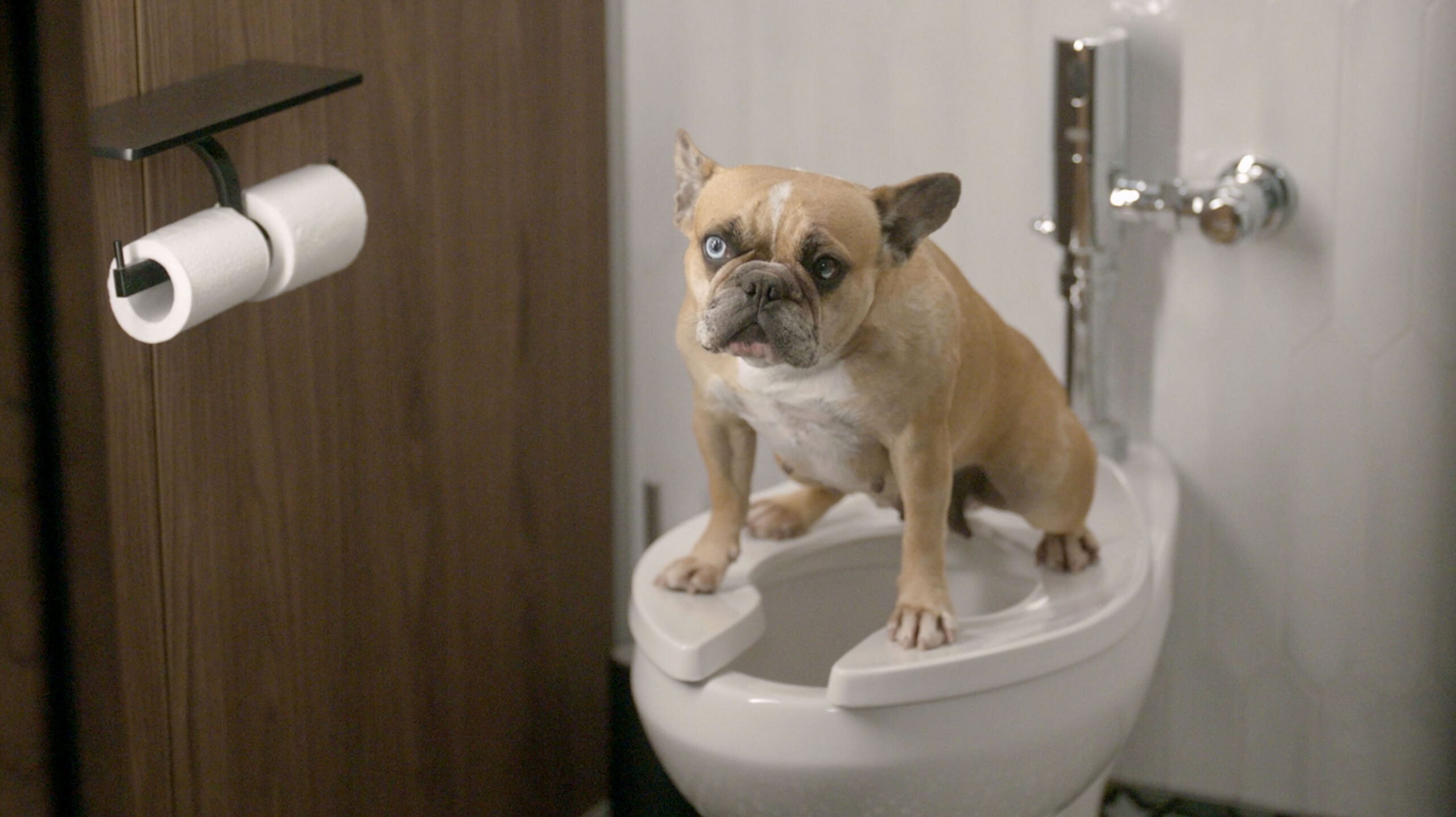
The Cost of Ordinary
Brands often ask how they can improve return on ad spend. A better question might be:
Is our marketing memorable enough to deserve the media budget behind it?
Remember that every dollar spent promoting forgettable work is a dollar that could have been building distinction, preference, and long-term growth.
Ordinary isn’t just uninspiring—it destroys business value. You must defy it at all costs.